The Silence of Nordic Timber Cabins
Published October 14, 2024 • By the Editors of 111111
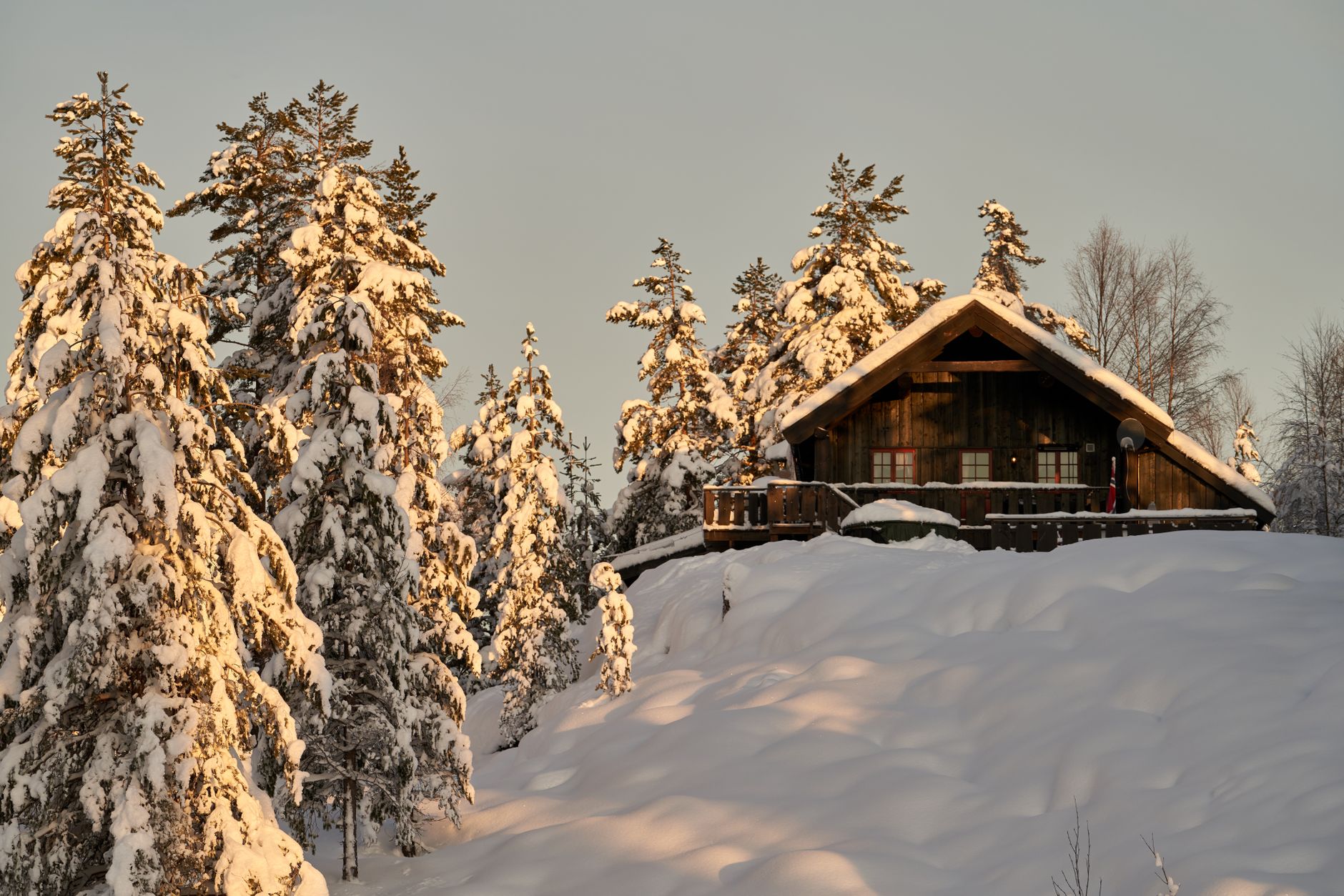
In an era saturated by perpetual digital connectivity, true luxury is no longer defined by gilded fixtures, but by acoustic silence and architectural stillness.
The Vernacular of Untreated Pine
Deep within the boreal belts of Finland and northern Sweden, contemporary architects are returning to ancestral building principles. The classic mökki—the traditional Finnish lakeside retreat—was never conceived as an ostentatious display of wealth. It was, rather, a functional membrane between human domesticity and the untamed elemental forest.
Today's modern iterations preserve this essential humility. Massive cross-laminated timber beams are left exposed to breathe, imparting an earthy scent of natural resin. Floor-to-ceiling glass apertures face east toward frozen lakes, letting low winter sunlight penetrate directly into minimalist hearth rooms.
Key Principles of Vernacular Nordic Lodges:
- Locally harvested, sustainable slow-growth spruce and pine.
- Passive solar orientation optimizing low Arctic daylight.
- Integration of traditional wood-fired smoke saunas for thermal restoration.
- Absence of intrusive acoustic noise and light pollution.
Thermal Restoration and the Sauna Ritual
Central to the timber cabin experience is the sacred ceremony of heat and cold. The löyly—the rising steam released when water meets scorching stones—is regarded in Scandinavian folklore as the spirit of the dwelling. Alternating between the eighty-degree sauna and the piercing chill of an icy plunge induces deep neurological relaxation.
For the traveler, a week spent in these quiet cabins does more than provide aesthetic pleasure; it recalibrates the senses, restores circadian rhythms, and invites a rare quality of contemplation that modern city living persistently denies.